
Why South FL Salt Air Eats Your Sliding-Door Rollers in 18 Months
The Smiley North Miami Beach + Hallandale Beach playbook: how salt-laden Atlantic air corrodes roller bearings, pits aluminum tracks, eats lock latches, and exactly what coastal homeowners can do to triple the life of their sliding-door hardware.
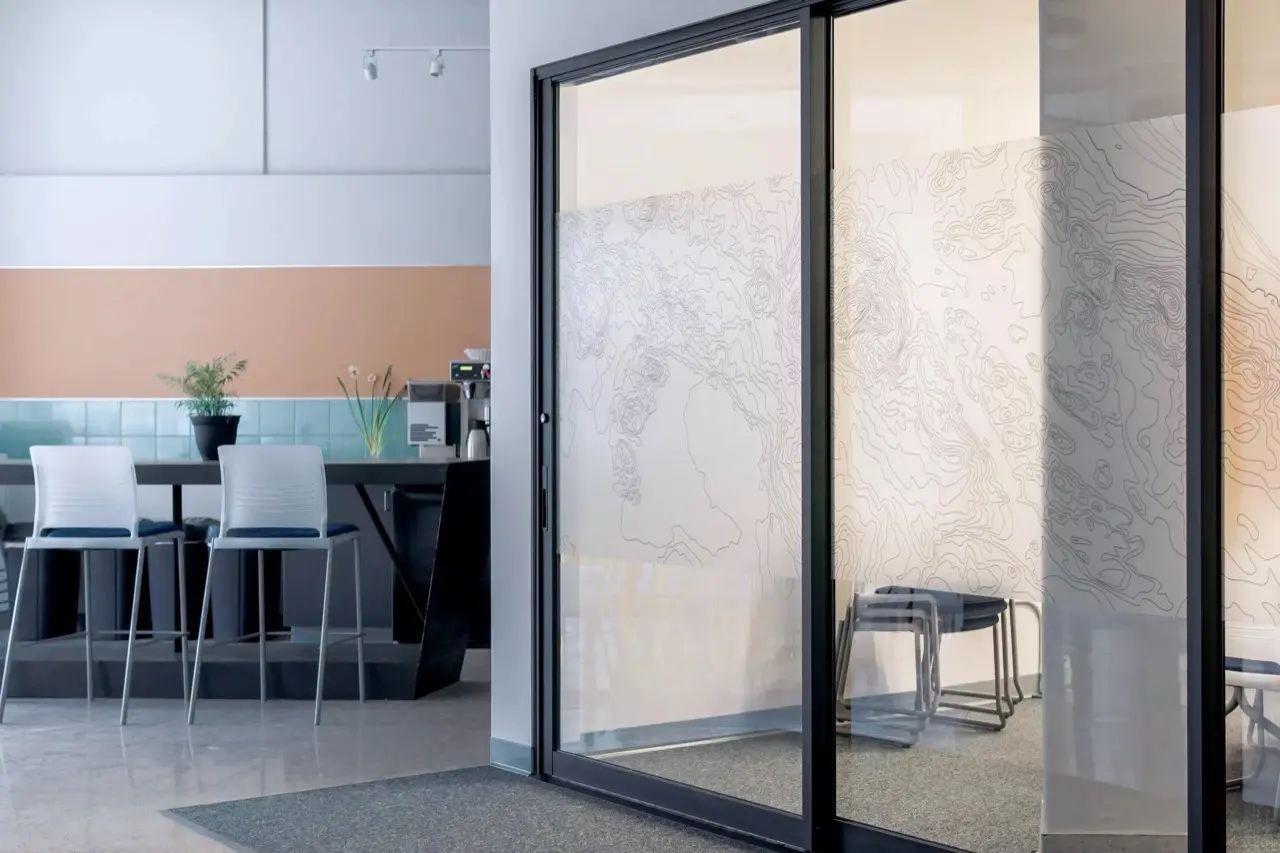
If you live in North Miami Beach, Sunny Isles, Aventura, or Hallandale Beach, your sliding door rollers are dying faster than the manufacturer ever planned for. Inland Florida homes get 5-7 years out of a set of nylon-wheel sliding-door rollers; our coastal customers replace them every 18 to 24 months. The reason isn't bad parts. It's the chemistry of where your house sits. Here's exactly what salt air does, why standard rollers can't survive it, and the maintenance routine that triples roller life on every Smiley service call.
1. Salt Spray Reaches Eight Miles Inland
The salt cycle on the South Florida coast is misunderstood. Most people picture salt only on oceanfront condos, but research from NOAA airborne-salt deposition studies show measurable chloride aerosol drift up to 8 miles inland. That puts every home from the Intracoastal at Hallandale Beach Boulevard west to NW 27th Avenue squarely inside the corrosive zone. Daily on/off-shore breezes carry salt-laden moisture inland every afternoon, deposit it on hardware, and it stays in solution because Miami-Dade humidity averages 74% year-round. Wet salt is electrochemically active, and that is the problem.
2. What Salt Actually Does to a Roller Bearing
A sliding-door roller is a nylon or steel wheel on a tiny sealed bearing housed inside an aluminum or zinc-die-cast frame. Salt attacks all three at once: the steel bearing races pit and gall (which is why doors get "crunchy" before they fully seize), the zinc housing develops white-powder bloom and swells (cracking the housing and tilting the wheel off-axis), and the aluminum frame oxidizes and adheres to the wheel. Within 18 months of installation, an uncoated bearing in salt-air service has lost 60-80% of its smooth-roll life. That's when our customers start calling. The door "feels heavy." It's not heavier. The roller is grinding. Time for sliding door track and roller service.
3. The Track Tells You How Bad It Is
Before you crawl down to your roller, look at the track. The bottom track is what the roller rides on, and it's the early-warning indicator. Pull the door open and run a fingernail along the bottom rail. If you feel any roughness, see a chalky white powder, or notice pinhole pitting along the wear line, that's chloride-driven aluminum oxidation. The wheel is now grinding over a rough surface, accelerating bearing wear. A pitted track will eat a fresh set of marine-grade rollers in months. That's why track replacement and roller replacement should always happen together on a coastal home, not one at a time.
4. The Smiley Coastal Maintenance Playbook
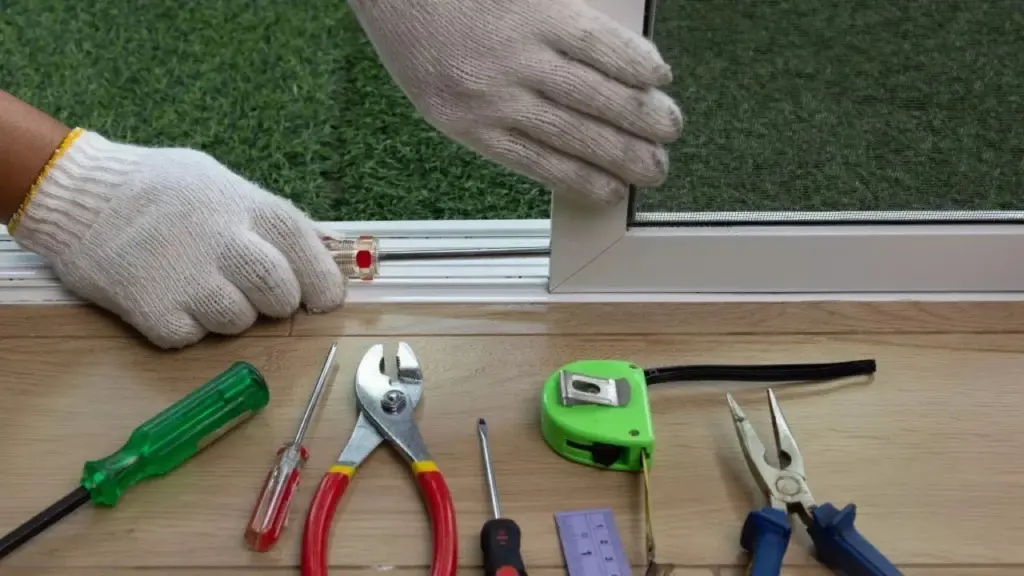
Here's the routine we walk every coastal customer through, the same one we use on our own family's Hallandale Beach condo. Every 90 days: a quick fresh-water rinse of the bottom track using a garden hose, then a wipe-down with a microfiber cloth. That alone removes the chloride deposit before it can stay in solution long enough to attack the metal. Every 6 months: a light spray of dry silicone, not a wet oil-based spray, which gums up and traps salt, along the track and where the rollers ride. Every 12 months: have a tech pull the door, inspect the rollers for bearing roughness, and re-shim if the door is sitting low. That single yearly inspection on its own catches roller failure at month 14-16 instead of month 24, and pulling a worn roller before it shreds the track saves a $400 track replacement down the road.
5. Spec Upgrade: Marine-Grade Rollers Are Worth It
For oceanfront properties such as Sunny Isles, Golden Beach, Bal Harbour, and anything on the Hallandale Three Islands waterway, we recommend upgrading from standard zinc-die-cast roller assemblies to marine-grade stainless-steel options with sealed ceramic bearings. The cost difference is roughly $30 per roller; the lifespan jump is from 18 months to 5+ years. On a typical 2-panel slider with 4 rollers, that's $120 more once and you skip three full roller replacements over the life of the door. We stock both grades on the truck for every impact sliding door repair job.
6. Don't Forget the Lock + Latch
Same chemistry, different part. The sliding-door lock body and footbolt are usually plated steel internals housed in a brass or zinc shell, and they fail by the same chloride mechanism. If the lever is getting "stiff" or the footbolt no longer drops cleanly, the internal latch spring is already corroded. Treat it as routine maintenance, not an emergency repair. A sliding door lock service while you're already replacing rollers is a 10-minute add-on, and it keeps your homeowner's insurance valid for the wind-claim "secured to manufacturer spec" requirement.
Get on the 12-Month Cycle Now
The cheapest sliding-door repair in coastal Miami-Dade is the one you do on a schedule, before the rollers seize and start chewing the track. The most expensive is the one you do in June, after a year of neglect, when every tech in Miami-Dade is booked behind a storm watch. Call us to set up a coastal-home maintenance check, with same-day appointments most weeks across North Miami Beach, Aventura, Sunny Isles, Hallandale, and Hollywood.
Free inspection, no obligation. Call (786) 772-0700 or message us here.
The Smiley coastal-roller maintenance cycle:
- ✓ Every 90 days: fresh-water rinse the bottom track
- ✓ Every 6 months: dry-silicone spray (not a wet oil spray)
- ✓ Every 12 months: tech inspection, pull rollers, check bearings
- ✓ Oceanfront homes: upgrade to marine-grade stainless rollers
- ✓ Replace rollers + track section together, never separately